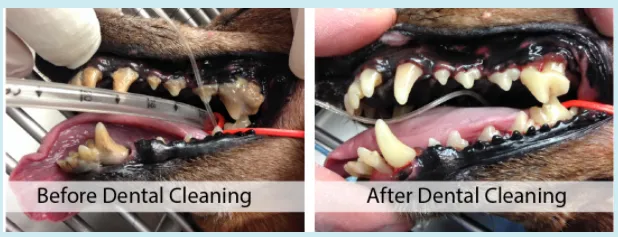
Dental care is an essential part of your pet’s overall health. When dental disease is left untreated, bacteria from the mouth can enter the bloodstream and contribute to serious health problems affecting the heart, kidneys, and liver.
Studies show that 8 out of 10 dogs and 7 out of 10 cats develop signs of periodontal disease by the age of three. The good news is that most dental disease is preventable and manageable with routine veterinary care and proper home dental hygiene.
Dogs and cats over the age of one should receive regular dental checkups as part of their annual wellness exams. Preventative dental care not only keeps your pet’s teeth healthy but also helps protect their overall health and quality of life.
Dental Problems May Cause Your Pet to Experience:
-
Chronic oral pain
-
Tooth loss
-
Persistent infections
-
Decreased appetite
-
Lowered immune resistance
-
Heart, liver, and kidney disease
Signs Your Pet May Have Dental Disease
Pet owners should watch for the following warning signs:
-
Persistent bad breath
-
Increased or excessive drooling
-
Yellow or brown discoloration of the teeth
-
Difficulty chewing or decreased appetite
-
Red, swollen, or bleeding gums
If you notice any of these symptoms, it is important to schedule a dental evaluation with your veterinarian.
Understanding Periodontal Disease
Periodontal disease progresses over time if left untreated:
Early Stage (grade 1):
Gums appear red, swollen, and mildly inflamed. Plaque may be present but is often difficult to see.
Moderate Stage (grade 2):
Plaque and tartar begin to accumulate along the gumline. The gums become more inflamed, and pets may experience soreness, occasional drooling, and noticeable mouth odor.
Advanced Stage (grade 3):
Gums may begin to recede and infection develops below the gumline. Bad breath becomes more pronounced, and pets may experience significant discomfort.
Severe Stage (grade 4):
Heavy tartar buildup and advanced periodontal disease lead to infection, bleeding gums, tooth loss, and even bone damage within the jaw.
Routine professional cleanings, dental examinations, and proper at-home dental care can dramatically reduce your pet’s risk of dental disease. Our team at Chattahoochee Animal Clinic is here to help you maintain your pet’s oral health and prevent painful dental conditions before they develop.
Routine professional cleanings, dental examinations, and proper at-home dental care can dramatically reduce your pet’s risk of dental disease. Our team at Chattahoochee Animal Clinic is here to help you maintain your pet’s oral health and prevent painful dental conditions before they develop.